nomadic
[ noumǽdik ]
2. 유목민의
3. 유목 민족인
예문 6

-
He's always very thoughtful. For example, he buys her flowers whenever she feels depressed.
그는 항상 사려가 깊다. 예를 들어, 그녀가 우울하게 느낄 때마다 꽃을 사준다.
이런 단어도 공부해 보세요
autonomous
[ ö:tάn∂m∂s|-tön- ]
exhale
[ ekshéil ]
defunct
[ difΛŋkt ]
brainstorming
[ bréinstö:rmiŋ ]
archetype
[ ά:rkitàip ]
orchard
[ ö:rt∫∂rd ]
이시간 주요 뉴스
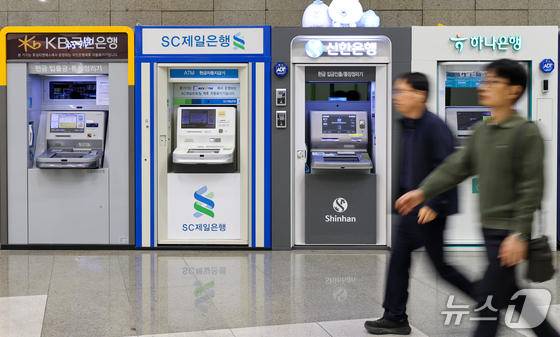
[단독]"신청도 안 했는데 대출 조회"…DB저축銀, 개인정보 142명 유출 추정
사진은 이날 서울시내 시중은행 ATM기들이 모여있는 모습. 2026.10.14 뉴스1 ,안은나 기자DB저축은행이 임직원과 프로젝트 외주인력 등 142…
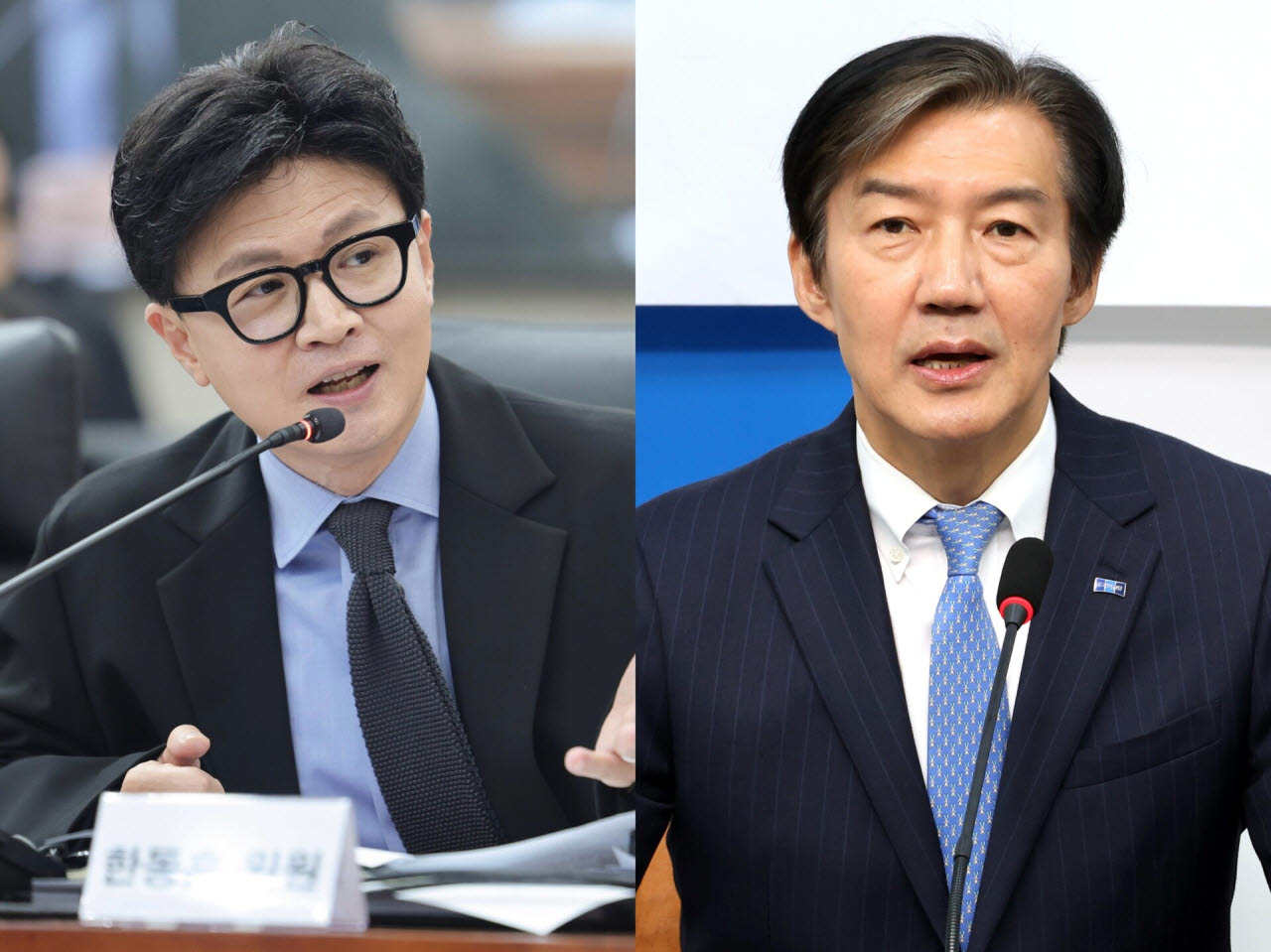
조국 '한동훈 특검법' 주장에…韓측 "악의적 허위사실 유포, 법적조치"
한동훈(왼쪽) 무소속 의원, 조국 조국혁신당 혁신정책연구원장. (사진=연합뉴스) [이데일리 이혜라 기자] 한동훈 무소속 의원 측이 조국 조국혁신당 혁신정책연구원장에 대해 법적조치에
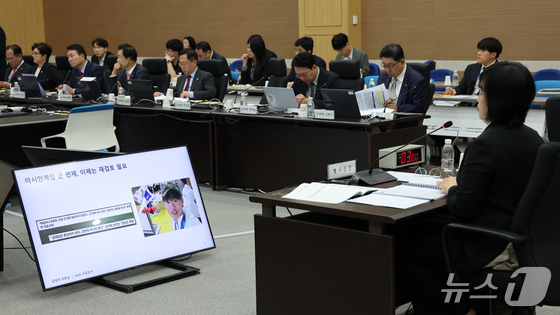
병역특례 받고도 복무 의무 위반…AG 메달리스트 경고 39건
홍소영 병무청장이 12일 정부대전청사 병무청에서 열린 국회 국방위원회 국정감사에 출석해 의원들의 질의를 듣고 있다. 2026.10.12 뉴스1 김기태 기자…
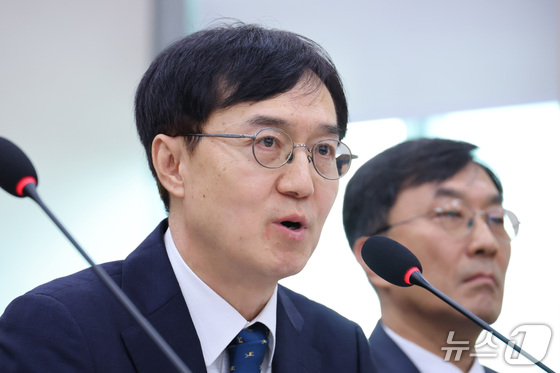
김용민 "대법관은 월 수백만원 격려금…법원 직원은 밥값도 모자라" [영상]
김용민 더불어민주당 의원은 16일 대법관들에게 매달 수백만 원의 격려금이 지급되는 반면 국선변호인 보수는 제때 지급되지 않고 있다며 법원의 예산 운용 실태를 비판했다.김 의원은 이…
[단독]침해사고 금융사 16곳 중 6곳, 금융보안원 미가입…중소사 보안 공백
15일 오후 부산 남구 부산국제금융센터BIFC에서 국회 정무위원회의 한국자산관리공사, 한국주택금융공사, 신용보증기금에 대한 국정감사가 열리고 있다. 2…


